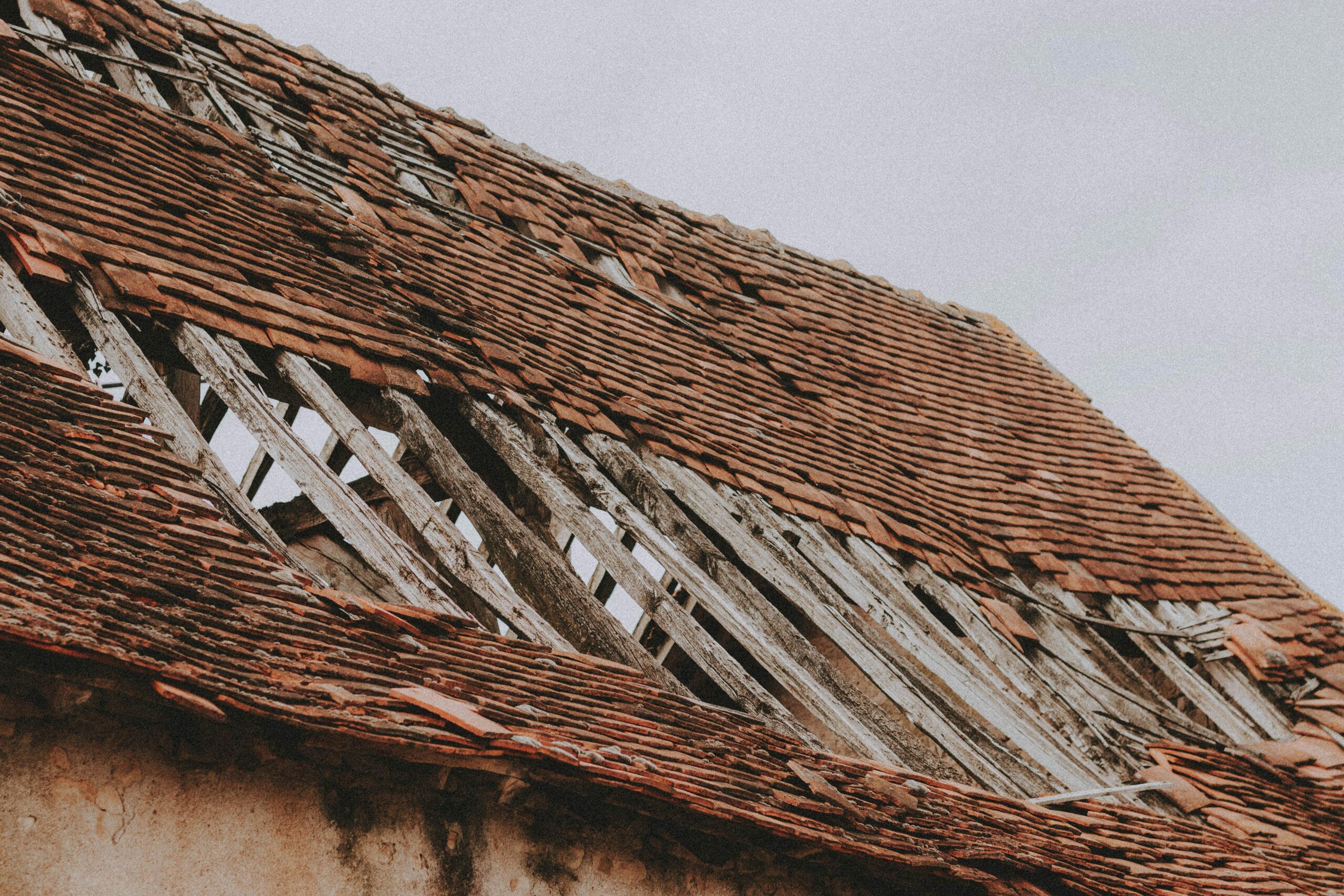
Prioritize your safety after a severe weather event by avoiding downed power lines and structural hazards. Perform visual roof inspections from the ground, take photos and document every damage. Establish contact with your insurance company to file the claim and call emergency roofing service. Make temporary measures to contain the damage and plan for permanent repairs after the adjusters inspection. Timely repairs minimize the repair costs and safeguard your home’s value.
What to Do After a Storm? Critical Steps to Take to Minimize Damage
Surveying your property the morning after the storm can be stressful. Witnessing missing tiles, damaged gutters or debris directly impacts the homeowner’s sense of safety, stability and financial security. The uncertainty regarding the extent of damage creates a lingering anxiety. According to some estimates, immediate repair after a storm can reduce the overall costs by up to 50%. If you are searching for storm damage roof repair near me, read our guide below to protect yourself and your structural integrity.
| Did you know?Roughly 38% of US homes have roofs in moderate to poor conditions, which can lead to 60% or higher insurance loss costs compared to those in good condition. |
Here is your guide to understanding what steps to take after severe weather.
- Prioritize Safety
Avoid the downed power lines, tree limbs and debris. Call the tree service to remove the large branches. Watch for gas leaks and avoid electrical and structural hazards.
- Ground Inspections
Don’t attempt to go on a storm-damaged roof. Instead, walk around the property and survey the roof with binoculars from the ground. Look for missing shingles, damaged flashing or broken gutters and granule loss.
- Wind and hail damage account for more than half of all residential roof claims.
- Interior Check
Look for signs of water stains on your ceilings and walls in your attic. Do not start discarding any damaged item right away and wait for the insurer’s inspection to present them as proof.
- Document Everything
Document every detail to present as a proof for insurance records. Take clear, time-stamped pictures and videos of all inside and outside damage from multiple angles.
- Contact Your Insurance Company
Contact your insurance company and report the damage. Understand your policy requirements and follow the instructions to ensure a successful claims process.
| Important factThe Roof Condition Score (RCS), powered by Verisk’s (a global data analytics company) Aerial Imagery Analytics, automates the detection of roof conditions like water pooling and missing shingles, giving insurers more accurate insights on roof’s condition. |
- Call Professional Emergency Roofing Service
Call emergency storm damage roof repair services to mitigate the damage after the storm. Repeated exposure to storms can weaken roof decking, causing sagging and exposing you to risks of structural collapse.
- Temporary Repairs
Use tarps to cover the exposed areas and use roofing cement to prevent minor leaks, all while documenting everything. A professional emergency service can help in promptly documenting and making temporary repairs, supporting successful insurance claims, and preventing potential denial of claims.
| Fast FactEven minor, overlooked leaks can cause a 10-25% loss in the R-value( insulation capacity) of shingles. A 20% loss in protective granules on shingles can reduce their lifespan by up to 60%. |
- Act Fast
The next storm could be hours away. Conducting inspection within 24-48 hours of the storm and establishing contact with your insurance company without delay can safeguard your investment and minimize the extent of damage.
- Plan For Permanent Repairs
Invisible cracks can expand by up to 300% during the next freeze-thaw cycles. Plan for permanent repairs with your roofing contractor to prevent premature roof replacement.
Conclusion
Understanding what steps to take after a storm damage helps homeowners to stay composed and act responsibly to ensure the safety of themselves, their family and protect the structural integrity. Insurance policies often require homeowners to take reasonable steps to mitigate storm damage such as tarping and temporary, targeted repairs. Schedule emergency roofing repairs service right away to minimise hazards, repair costs and the extent of damage.
FAQs
What is the average lifespan of shingles in storm-prone areas?
The average lifespan of shingles in hail-prone states is around 15 years, compared to 22 years in western states like Nevada and Arizona with less severe weather conditions.
Which type of roofs are more resistant to storm damage?
20% of US homes have hip styled roofs, which are more resistant to storm damage.
How often should I schedule roof inspections to protect my home against storm damage?
Schedule roof inspections before the storm season starts and after every major weather event to form a sturdy barrier against the elements.